

No products in the cart.
Computer Components, CPU
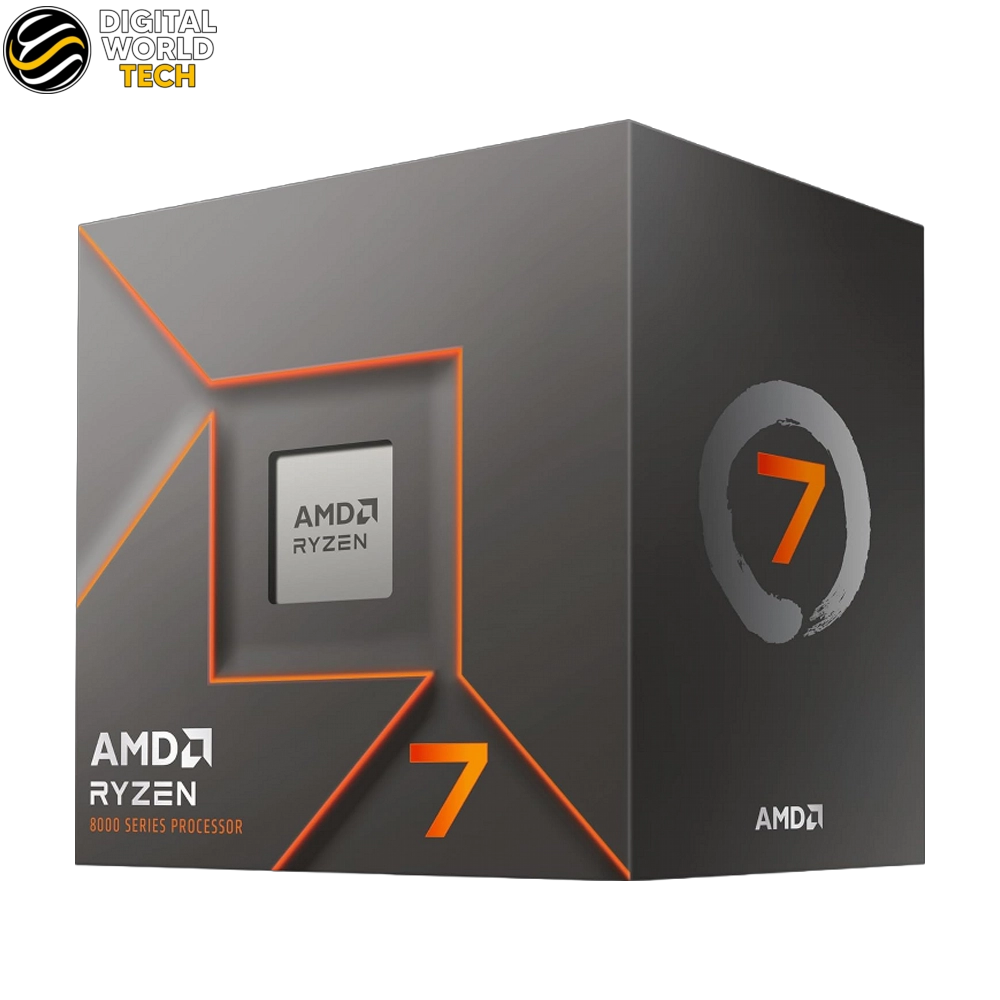
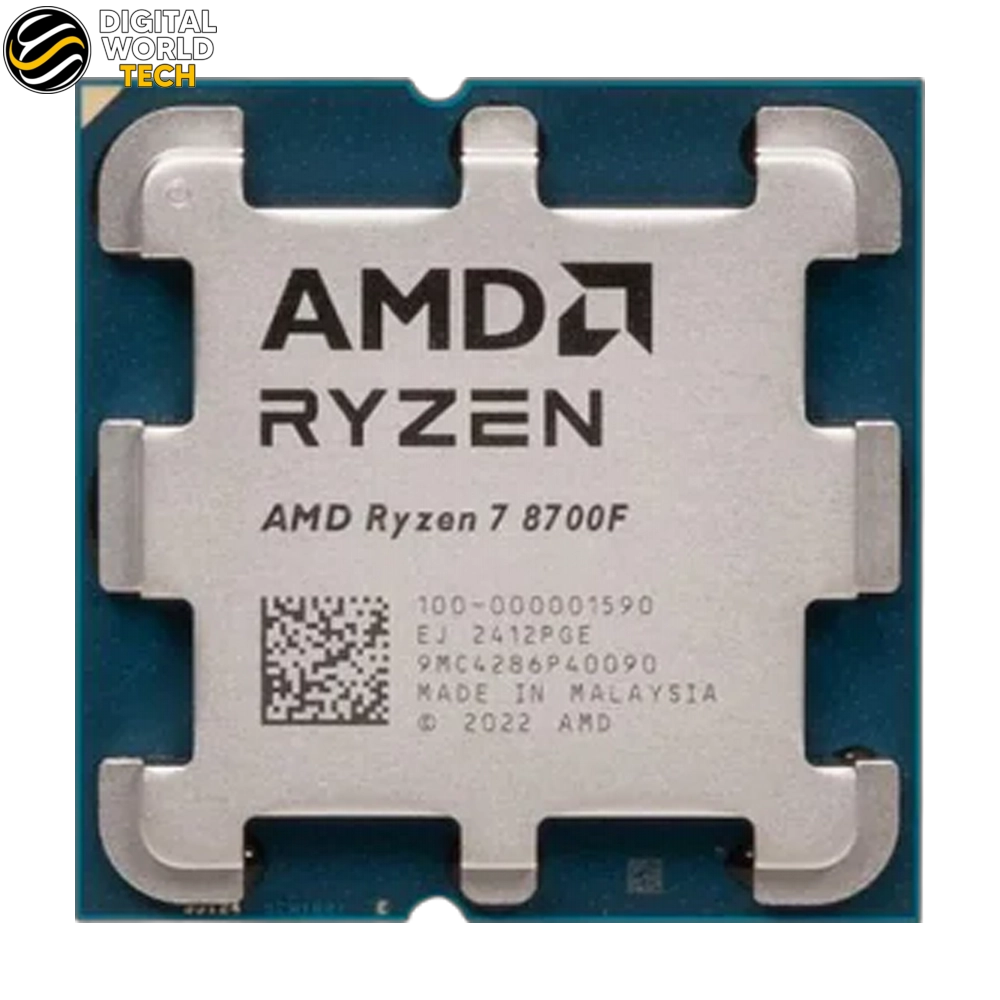
AMD Ryzen 7 8700F 8 Core 16 Thread Desktop Processor AM5 4.1GHz 5.0GHz Boost
Availability:
Only 1 left in stock
- AMD Ryzen 7 8700F desktop processor with 8 cores and 16 threads for gaming and productivity
- Base clock of 4.1 GHz with maximum boost frequency of 5.0 GHz
- Built on Zen 4 (Phoenix) architecture using TSMC 4nm FinFET process
- Socket AM5 compatibility with X670E, X670, B650E, B650, and A620 chipsets
- 16 MB L3 cache and 8 MB L2 cache for fast data access
- 65W default TDP with configurable boost up to 88W
- Supports DDR5 memory up to 5200 MT/s in dual-channel configuration
- PCIe 4.0 support with 20 CPU PCIe lanes for GPUs and NVMe SSDs
- No integrated graphics — requires a dedicated discrete GPU
- Unlocked multiplier for overclocking enthusiasts
- Hardware virtualization support for improved VM performance
- Maximum memory bandwidth of 83 GB/s for rapid data exchange
290,000 د.ع
Only 1 left in stock
The AMD Ryzen 7 8700F is a powerful desktop processor featuring 8 cores and 16 threads built on the Zen 4 (Phoenix) architecture with a 4nm TSMC process. With a base clock of 4.1 GHz and a maximum boost of 5.0 GHz, this CPU delivers exceptional performance for gaming and multitasking on the AM5 platform. It supports DDR5 memory up to 5200 MT/s and features a 65W TDP, making it an efficient yet high-performance choice for your next build.
Performance
The AMD Ryzen 7 8700F leverages the Zen 4 (Phoenix) architecture to deliver outstanding single-core and multi-core performance. With 8 cores and 16 threads, it achieves 104 points in Cinebench 2024 single-core and 986 points in multi-core benchmarks. The 4.1 GHz base frequency ramps up to 5.0 GHz under load, ensuring responsive performance across both gaming and productivity workloads. The unlocked multiplier allows enthusiasts to push frequencies even further with proper cooling.
Memory and Connectivity
This processor supports dual-channel DDR5 memory at speeds up to 5200 MT/s, delivering a maximum memory bandwidth of 83 GB/s. Connectivity is handled through PCIe 4.0 with 20 CPU lanes, providing ample bandwidth for modern GPUs and high-speed NVMe SSDs. The AM5 socket ensures compatibility with a wide range of motherboards using X670E, X670, B650E, B650, and A620 chipsets.
Cache Architecture
The AMD Ryzen 7 8700F features 8 MB of L2 cache and 16 MB of L3 cache, totaling 24 MB of combined cache. This cache hierarchy reduces latency and improves data throughput for demanding applications, gaming scenarios, and heavy multitasking workloads. The large L3 cache is particularly beneficial for gaming, where fast access to frequently used game assets is critical.
Design and Efficiency
Manufactured using TSMC’s advanced 4nm FinFET process, the AMD Ryzen 7 8700F achieves excellent performance-per-watt. The default TDP is 65W, with a configurable maximum boost TDP of 88W, balancing power efficiency with peak performance. Since this is an F-series processor with no integrated graphics, a dedicated discrete GPU is required, making it an ideal choice for gamers who already plan to pair their CPU with a standalone graphics card. Hardware virtualization support is also included for users running virtual machines.
| Brand | AMD |
| Architecture | Zen 4 (Phoenix) |
| Socket | AM5 |
| Cores | 8 |
| Threads | 16 |
| Base Clock | 4.1 GHz |
| Max Boost Clock | 5.0 GHz |
| L2 Cache | 8 MB |
| L3 Cache | 16 MB |
| Manufacturing Process | TSMC 4nm FinFET |
| Default TDP | 65 W |
| Max Boost TDP | 88 W |
| Memory Type | DDR5 |
| Memory Channels | Dual-channel |
| Max Memory Speed | 5200 MT/s |
| Max Memory Bandwidth | 83 GB/s |
| PCIe Version | PCIe 4.0 |
| CPU PCIe Lanes | 20 |
| Integrated Graphics | None |
| Unlocked Multiplier | Yes |
| Hardware Virtualization | Supported |
| Compatible Chipsets | X670E, X670, B650E, B650, A620 |
| Part Number | 100-000001590 |
Based on 0 reviews
Be the first to review “AMD Ryzen 7 8700F 8 Core 16 Thread Desktop Processor AM5 4.1GHz 5.0GHz Boost”
Related products
- Computer Accessories, Computer Components
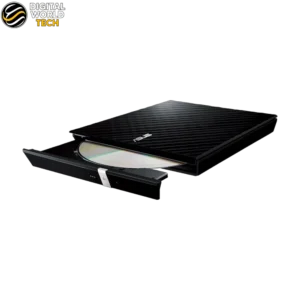
ASUS SDRW-08D2S-U DVD Writer 8X Slim External USB 2.0 Optical Drive Black
 Computer Accessories, Computer Components
ASUS SDRW-08D2S-U DVD Writer 8X Slim External USB 2.0 Optical Drive Black
- ASUS SDRW-08D2S-U DVD Writer with 8X DVD writing speed and 24X CD writing speed
- External slim optical drive with USB 2.0 interface for plug-and-play connectivity
- Disc Encryption II technology with password protection and hidden-file functionality
- Drag-and-Burn interface for simplified disc burning workflow
- Supports 8X DVD+R, 8X DVD+RW, 6X DVD-R, 6X DVD+R DL, 6X DVD-R DL, and 5X DVD-RAM
- 24X CD-R write, 16X CD-RW rewrite, and 24X CD-ROM read speeds
- 1 MB buffer size ensures stable and reliable data transfers
- DVD average random access time of 160 ms and CD average random access time of 140 ms
- Compatible with Windows XP, Vista, 7, 8.1, Server 2003/2008, and Mac OS X 10.5 or later
- Tray-loading disc mechanism with vertical or horizontal mounting options
- Sleek diamond-cut lattice design in black finish with space-saving stand
- E-Green Engine technology reduces power consumption during idle periods
SKU: P318 - Internal Storage, Computer Components, SSD, Storage
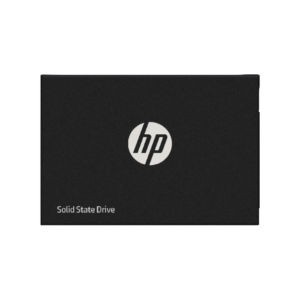
HP S650 240GB SATA SSD | هارد داخلي
- High-speed SATA III 6 Gb/s solid-state drive
- Sequential read up to 560 MB/s and write up to 480 MB/s
- 2.5-inch 7 mm slim design fits laptops and desktops
- Advanced LDPC error-correction and wear-leveling for data reliability
- Energy-efficient, silent, shock-resistant storage upgrade
- Ideal for OS boot, gaming, and application load acceleration
SKU: P1024 - Computer Accessories, Computer Components, Internal SSD & HDD, Internal Storage, Laptop Storage, SSD, Storage
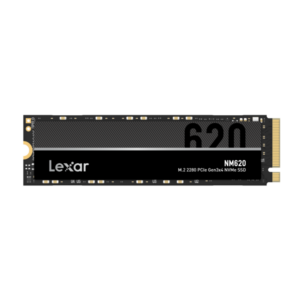
Lexar NM620 256GB NVMe SSD | هارد داخلي
Computer Accessories, Computer Components, Internal SSD & HDD, Internal Storage, Laptop Storage, SSD, StorageLexar NM620 256GB NVMe SSD | هارد داخلي
- Lexar NM620 256GB internal NVMe SSD
- PCIe Gen3x4 interface for fast storage performance
- M.2 2280 form factor for compatible desktops and laptops
- Sequential read speed up to 3,500MB/s
- Sequential write speed up to 1,300MB/s
- NVMe 1.4 technology support
- 3D NAND flash for stable storage performance
- LDPC error correction for improved data reliability
- Shock and vibration resistant design
- Suitable for gaming, productivity, and system upgrades
SKU: P100 - Computer Components, Motherboard
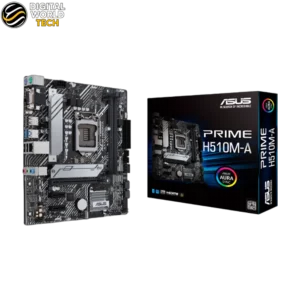
ASUS PRIME H510M-A Motherboard Intel H510 LGA 1200 micro ATX PCIe 4.0
Computer Components, MotherboardASUS PRIME H510M-A Motherboard Intel H510 LGA 1200 micro ATX PCIe 4.0
- ASUS PRIME H510M-A Motherboard with Intel H510 chipset and LGA 1200 socket for 11th and 10th Gen Intel Core processors
- Micro ATX form factor measuring 22.6 cm x 21.1 cm with 2 DDR4 DIMM slots supporting up to 64GB
- Memory speeds up to DDR4-3200MHz with 11th Gen Intel processors (2933MHz with 10th Gen i7/i9)
- PCIe 4.0 slot for high-speed expansion cards and next-gen GPUs
- 1x M.2 slot (Key M, 2242/2260/2280) supporting PCIe 3.0 x4 and SATA modes at 32Gbps
- 4x SATA 6Gb/s ports for ample storage connectivity
- ASUS PRIME H510M-A Motherboard features Intel 1 Gb Ethernet for reliable wired networking
- Video outputs include DisplayPort, HDMI, and D-Sub for multi-monitor flexibility
- 2x USB 3.2 Gen 1 Type-A ports and 4x USB 2.0 ports for peripheral connectivity
- 7.1 channel HD audio with 3 audio jacks for immersive sound
- AURA Addressable Gen 2 headers with Aura Sync for customizable RGB lighting
- 5X PROTECTION III and FAN Xpert 2+ for system stability and optimized cooling
- 128 Mb Flash ROM UEFI AMI BIOS with Armoury Crate and MyASUS support
SKU: P469


































 English
There are no reviews yet.